
دستور نيوز
Medical care – Abdul Hamid Ghanem:
Dental implants are not just a cosmetic procedure for cancer patients and the elderly. They turn into a delicate and complex treatment journey, the primary goal of which is to restore basic functions: chewing, speaking, and breathing, while preserving the patient’s human dignity.
These patients are subject to unique challenges not faced by the average patient: low immunity, fragile bones, chronic dry mouth, and tissue damaged by radiation or surgery. Here, it is not enough for the dentist to be skilled, but rather he must be part of an integrated medical team that understands the dimensions of the disease and the effect of chemotherapy and radiation on every millimeter in the mouth and jaws.
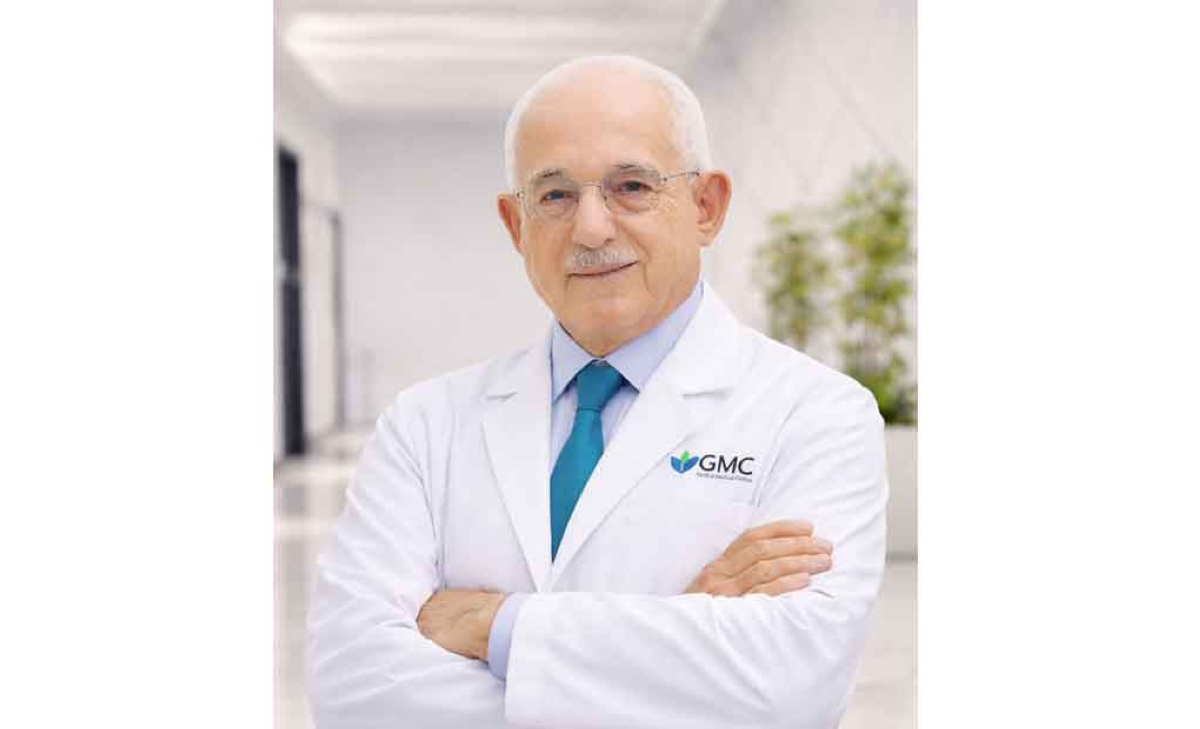
Dr. offers Khairallah Khalaf Abdul Rahim, Senior Consultant for Prosthodontics and Maxillofacial Prosthodontics at Gardenia Medical Complex, through this dialogue, a comprehensive medical guide that puts in your hands the complete road map of the most prominent challenges, safe protocols, and the most appropriate treatment options to ensure the success of dental prosthetics and improve the quality of life of this precious group… Here are the details of the dialogue:
What are the most important challenges facing a prosthodontist when treating cancer patients?
Challenges increase especially when the patient undergoes radiation therapy in the head and neck area, the most prominent of which are:
1. Dry mouth: as a result of damage to the salivary glands, which affects the stability of the removable denture and causes ulcers and inflammation of the gums.
2. Weak immunity: increases the risk of bacterial and fungal infections in the mouth.
3. Decreased bone healing ability: Dental implants are contraindicated due to the risk of radiation osteitis.
4. Loss of parts of the mouth: due to surgery, which requires the installation of complex prosthetic devices such as palatal obturators.
5. The patient’s psychological state: due to illness, treatment, and loss of parts of the face, which may cause deformities that affect his acceptance of treatment.
7. Use of bisphosphonates: to treat bone resorption, which increases the risk of osteonecrosis in the jaw.
How is the formulation plan different for older people compared to younger patients?
– Elderly people often suffer from chronic diseases such as diabetes and osteoporosis, and take medications that may cause dry mouth or increase the risk of osteonecrosis. They also commonly have alveolar bone atrophy, poor vision and manual dexterity, which affects their ability to care for prosthetics.
Therefore, treatment focuses on function: the ability to chew, speak, and ease of use. Mobile installations are often the most appropriate option, with extensive periodic follow-up.
As for young people, they often enjoy good health, so the focus is on the aesthetic aspect and comfort of use, with the possibility of resorting to complex fixed solutions such as dental implants.
What is the effect of dry mouth, common in cancer patients and the elderly, on the success of prosthetics?
Saliva is an essential factor for the stability of complete dentures. It helps the dentures adhere to the gums and reduces ulcers. Dry mouth leads to:
– Poor stability of removable dentures and increased ulceration.
– Increased tooth decay, especially after radiation, which threatens fixed dentures.
– Infections around dental implants due to the accumulation of bacteria.
– Difficulty swallowing and feeling a burning sensation.
Does osteoporosis affect the decision to have fixed or removable prostheses?
– Yes, especially if the patient is using bisphosphonate medications. Extreme caution must be taken or dental implants should be avoided completely to avoid serious complications such as osteoradionecrosis and delayed wound healing.
In some carefully studied cases, and after evaluating the density of the jaw bone, implants can be resorted to. But the safest option is often mobile fixtures.
When can dental implants be started for a patient undergoing chemotherapy or radiation?
– You should avoid making new formulations during or immediately after chemotherapy due to decreased immunity. It is preferable to make simple modifications to existing formulations.
The most appropriate time is after the health condition stabilizes and the ulcers and infections disappear. This varies from one patient to another and may take months. Temporary surgical prostheses can be made, but final prostheses are postponed. Dental implants are prohibited and the use of artificial saliva substitutes is recommended.
What precautions should be taken before installing teeth for a patient who has been exposed to radiation to the head and neck?
1. Know the details of radiation: dose, duration, and exact location, in coordination with the oncologist.
2. Ensure that the mouth is free of ulcers and infections.
3. Avoid any unnecessary surgical procedures on the irradiated bone.
4. Checking the patient’s ability to open the mouth sufficiently to take measurements.
5. Use saliva substitutes to moisten the mouth before and during work.
6 Treating all cavities and using fluoride to enhance oral care.
7. Polish the edges of the moving prostheses well to avoid tissue trauma.
Is there a risk of osteonecrosis after extraction or transplantation in cancer patients? How do we avoid it?
– Yes, the risk exists and is severe, especially for patients who have been exposed to radiation to the head and neck and are taking bisphosphonate medications. This may lead to bone necrosis after extraction or any surgical intervention.
Prevention is key: all extractions and dental treatment should be done before starting radiotherapy as much as possible. If necessary after radiation, it must be performed with a special protocol, under antibiotics, and with minimal bone trauma.
What type of prosthesis is most appropriate for a cancer patient who has lost part of the jaw due to surgery?
– It depends on the location and size of the surgical defect, the patient’s functional ability, and his exposure to radiation.
– In the upper jaw: The main option is the palatal obturator. It closes the connection between the mouth and nose, improves speech, swallowing, and chewing, prevents food leakage, and supports facial features. It has 3 types:
1. Surgical: Placed immediately after surgery.
2. Temporary: during the healing period.
3. Permanent: after tissue stabilization.
– In the lower jaw: depends on the size of the removed part. The patient may need special prostheses to improve occlusion and chewing. Fixed or removable fixtures can be used depending on the presence of teeth, exposure of the area to radiation, degree of mouth opening, and dry mouth.
How do we deal with mouth ulcers and fungal infections when taking fitting measurements?
1. Postpone taking measurements if the ulcers are painful or the infections are active.
2. Diagnosing the cause of the ulceration and treating it, while modifying or temporarily stopping the use of the old kit and prescribing the necessary medications.
3. Treat the fungus with antifungals, while educating the patient on cleaning the denture and mouth well and removing the denture at night.
4. Follow up the patient to ensure response to treatment, then start taking measurements.
Do cancer medications affect the stability of removable dentures?
Yes, indirectly. Cancer medications affect the patient’s immunity and the health of oral tissues, and cause dry mouth due to their effect on the salivary glands. Dry mouth, in turn, affects the stability of the complete denture and increases the decay of the remaining natural teeth.
What is the role of the prosthetist within the medical team treating a cancer patient?
The role of the prosthodontist is pivotal and includes:
1. Before surgery: examining the mouth and teeth, treating cavities, extracting invalid teeth, adjusting old dentures, taking impressions to document the condition and making temporary surgical prosthetics.
2. After surgery: Follow up on the patient to deal with complications such as ulcers and dry mouth, and follow up on temporary prosthetic devices.
3. In the long term: monitoring the tissue changes resulting from radiation, treating speech and swallowing problems, making permanent fixed or removable plugs, with periodic follow-up and improving the aesthetic appearance.
Does a cancer patient need special oral preparation before starting any prosthetic implants?
Yes, very much. Preparation includes:
– Treating all cavities, gum infections and ulcers.
– Emphasis on oral hygiene to prevent bacterial and fungal infections, and antiseptic rinses may be recommended.
– Professional cleaning of teeth and supporting tissues.
– Treating dry mouth, especially for denture users.
– Then, fixed or removable prostheses are started depending on the patient’s condition.
What are the most important factors that must be evaluated before making installations for the elderly?
1. General health condition: the presence of chronic diseases such as diabetes, high blood pressure, heart disease, osteoporosis, and blood-thinning medications.
2. Condition of the mouth and tissues: health of the alveolar bone, gums, and remaining teeth, presence of infections, condition of the mucous membrane, and dry mouth.
3. Patient’s functional ability: ability to care for daily fittings, and patient’s expectations of treatment.
How do we choose between full dentures, partial dentures and implants for the elderly?
It depends on 3 main factors:
1. Health and mental condition: the presence of chronic diseases, medications that cause dry mouth or bone necrosis, chemotherapy or radiation therapy.
2. The condition of the mouth and teeth.
3.Patient preference and cost.
– Complete denture: when the teeth are completely missing or the remaining teeth are not suitable, or there is severe bone atrophy, or if implantation is medically impossible. It is easy to care for.
– Partial denture: when there are a number of supporting teeth in good condition.
– Dental implants: require good general health, sufficient jaw bone, and the absence of diseases that cause bone necrosis, exposure to radiation, or the use of insulin. It is also more expensive.
What is the impact of chronic diseases such as diabetes and high blood pressure on the formula plan?
– Diabetes: weakens immunity and causes gum infections that may lead to tooth loss. It also causes dry mouth, which affects the stability of the denture. Uncontrolled diabetes prevents dental implants.
– High blood pressure: Some of its medications cause dry mouth and swollen gums. It may cause bleeding during transplant surgery.
Therefore, blood sugar and blood pressure must be completely controlled before starting treatment, with periodic follow-up closer than usual after treatment.
How do we deal with weak chewing muscles and hand tremors in elderly people while taking measurements?
1. A comprehensive explanation of the steps taken to reassure the patient.
2. Divide work into short sessions with rest periods.
3. Use fast-hardening impression materials.
4. Place the patient in a comfortable position on the chair, using pillows to stabilize the head.
5. Avoid long intraoral procedures.
Do memory problems or Alzheimer’s reduce the chances of success of mobile dentures?
– Yes, for the following reasons:
– Difficulty following instructions for using, inserting and removing the kit.
– The period of getting used to the kit will be longer.
– Difficulty in caring for the denture, which causes infections and ulcers, especially if the patient sleeps while wearing it.
– The patient may forget appointments for consultations or lose the kit.
What are the specifications of the appropriate kit for an elderly patient suffering from severe dry mouth?
1. Extremely precise workmanship: It must be precisely tailored to the fabric to provide maximum stability.
2. Design that reduces lateral forces: by placing the false teeth in the correct position in relation to the gums and tongue.
3. Use high-quality materials suitable for sensitive gums.
4. Use artificial saliva substitutes constantly to moisten the mouth.
5. Strict instructions: Do not sleep with the denture on, clean it daily, and keep it in water to prevent fungal growth.
6. Clear instructions for the patient to help him adapt to speaking and chewing.
7. Periodic visit to the doctor.
What are the warning signs that require seeing a doctor immediately after dental implants?
1. Severe pain that does not improve with painkillers.
2. Ulcers or swelling in the gums or face with continuous bleeding.
3. Pus or bad odor coming out of the mouth.
4. The formula is loose or unstable.
5. Fracture in the composition.
6. Difficulty chewing, speaking, swallowing, or breathing.
7. For the elderly, cancer patients, and immunocompromised people: It is preferable to contact the doctor as soon as any symptom appears.
Do the elderly and cancer patients need professional cleaning of fixtures more than others?
– Yes. Due to their poor ability to self-care, they need professional cleaning under the supervision of a dentist every 3 to 6 months to avoid gingivitis and tartar buildup, in addition to daily care at home or with the help of a caregiver.
How do we balance aesthetics and functionality when creating installations for these categories?
– The doctor must have sufficient experience to achieve balance. The functional aspect of these categories is the most important: the ability to chew and speak comfortably.
But dentistry is both a science and an art, so both aspects must be taken care of. This is done by choosing the appropriate design, materials and methods that achieve the best functional and aesthetic result that suits the condition and age of the patient.
What is the role of family health education in the success of prosthetics for the elderly and cancer patients?
The role of the family is pivotal and decisive and includes:
1. Promoting adherence: with treatment, periodic visits, and following the doctor’s instructions.
2. Early follow-up: to notice any symptoms or signs and quickly see a doctor.
3. Daily support: Assistance with healthy nutrition, oral hygiene care and formulas.
4. Psychological support: raising the patient’s morale, as positive family influence greatly increases the success rates of treatment.
#Osteonecrosis #complication #dental #implants
Osteonecrosis is the most serious complication of dental implants
– الدستور نيوز
طب وصحة – Osteonecrosis is the most serious complication of dental implants
المصدر : www.raya.com